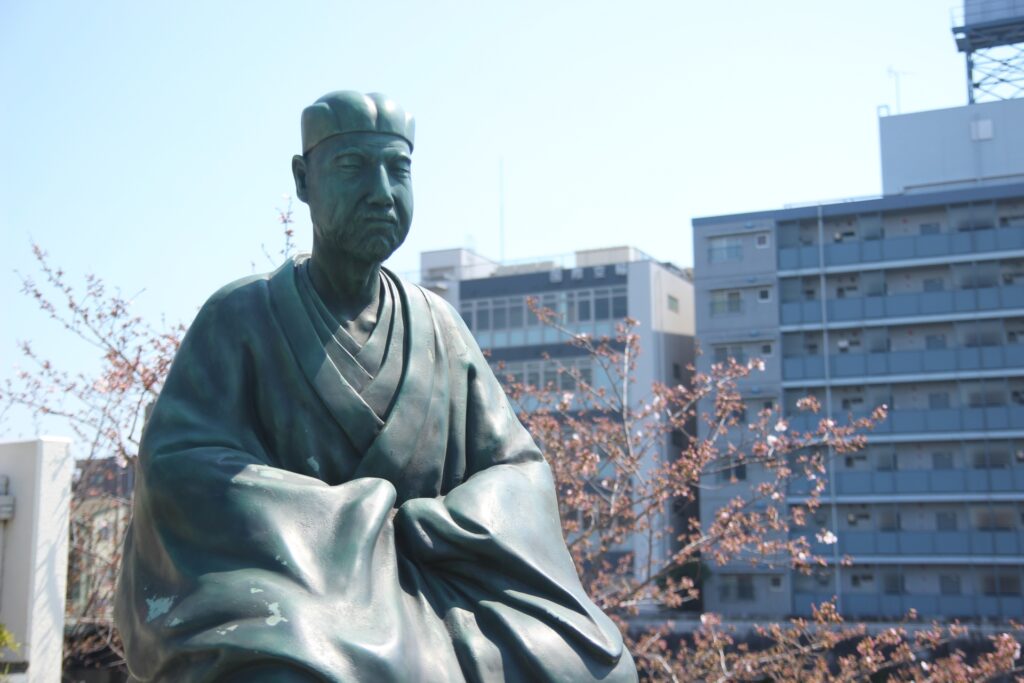
When you watch Japanese period dramas, you will often see town magistrates dealing with criminals. Two famous examples are Tōyama no Kin-san and Ōoka Echizen. These magistrates fight wrongdoing in Edo, the city now known as Tokyo, and many viewers find their stories satisfying.
But have you ever noticed another official in Japanese period dramas called the Nagasaki Magistrate?
He may appear surrounded by unusual imported goods from overseas, looking like a high-ranking official. Depending on the story, he may even be portrayed as a villain.
However, if we look at Japanese history, we can see that the Nagasaki Magistrate held a very important position under the Tokugawa shogunate.
So, what kind of official was he, and what responsibilities did he have?
Characters
Mike: A 12-year-old American boy who is interested in Japan.
John: Mike’s father. He sometimes travels to Japan on business.
Kelly: Mike’s mother. She is good at cooking.
Nobu: A Japanese exchange student.
Prologue
Mike is interested in Japanese history. One day, while watching a period drama, he hears the title “Nagasaki Magistrate.”
At first, he assumes that this official was simply the magistrate of Nagasaki, much like the town magistrates in Edo.
But as he watches the drama, he notices something different. Foreigners appear in the story, and the situation seems quite different from what he has seen in dramas about Edo.
This makes Mike curious about the Nagasaki Magistrate’s position and responsibilities. Just then, Nobu appears.
Nobu: “Hello!”
Mike: “Hi! Actually, there’s something I wanted to ask you about. I saw someone called the Nagasaki Magistrate in a period drama. What kind of position did he hold, and what did he do?”
Nobu: “The Nagasaki Magistrate? Good question! All right, let me explain.”
What Was Nagasaki Like During the Edo Period?
Nobu: “Before explaining the Nagasaki Magistrate, I think we need to understand Japan’s foreign policy during the Edo period. What do you know about Japan’s relations with other countries at that time?”
Mike: “I’ve heard of sakoku, Japan’s policy of restricting foreign contact. I thought Japan traded only with the Dutch and the Chinese.”
Nobu: “You’re on the right track! Nagasaki was one of Japan’s most important gateways for foreign trade. Dejima, an artificial island in Nagasaki, became a center for trade with the Dutch.”
John: “What exactly was Dejima?”
Nobu: “It was an artificial island built in Nagasaki. It was small, but it played an important role in Japan’s limited trade with the outside world.”
Kelly: “So that’s why the shogunate appointed a Nagasaki Magistrate?”
Nobu: “Exactly. Because Nagasaki had such an important role, the magistrate’s position and responsibilities were quite different from those of the town magistrates in Edo.”
John: “That sounds like a pretty important job!”
What Was the Position of the Nagasaki Magistrate?
Nobu: “Let’s start by looking at the magistrate’s position.”
The Magistrate’s Office Was Located in Nagasaki
Nobu: “First, let’s look at the geography. As the name suggests, the Nagasaki Magistrate was stationed in Nagasaki. Unlike many other Japanese cities, Nagasaki was an important center for foreign trade and contact with other countries. Its geographical position made it especially important.”
Mike: “What if the official responsible for Nagasaki had been stationed somewhere far away?”
Nobu: “I imagine that could have caused problems, especially in an emergency. The shogunate needed to keep a close eye on what was happening in Nagasaki. Foreign ships arrived from overseas, and the authorities had to consider various security concerns.”
John: “I see. So having the magistrate stationed in Nagasaki allowed him to keep a close watch on the situation.”
Nobu: “That’s the basic idea.”
A High-Ranking Official of the Shogunate
Nobu: “The Nagasaki Magistrate was appointed by the Tokugawa shogunate. The position was held by a shogunate official, generally from the hatamoto class, which consisted of direct retainers of the shogun. It was a position of considerable importance because the responsibilities were so significant.”
Kelly: “So if the official had not been sufficiently senior, it might have been difficult to handle diplomatic and trade-related matters?”
Nobu: “That’s a reasonable way to think about it. The position required someone who could deal with important matters on behalf of the shogunate.”
Extensive Authority and Responsibility
Nobu: “The Nagasaki Magistrate also had broad responsibilities. These included local administration and judicial matters, as well as supervising foreign trade and dealing with issues related to foreign relations.”
Mike: “Why did one official have to handle so many things?”
Nobu: “Think about the situation at the time. There were no telephones or modern communication systems, so sending information between Nagasaki and Edo took time. If a serious problem arose, waiting for instructions from Edo could delay the response.”
John: “So giving the Nagasaki Magistrate substantial authority would have made it easier to deal with problems quickly?”
Nobu: “That’s one way to understand why the position was so important.”
Mike: “Now I get it. He needed enough authority to handle matters locally.”
What Were the Responsibilities of the Nagasaki Magistrate?
Nobu: “Next, let’s look at the main duties of the Nagasaki Magistrate.”
Administration of Nagasaki
Nobu: “First, the magistrate was responsible for the administration of Nagasaki. Because the city had important connections with foreign traders and overseas cultures, its circumstances differed from those of many other Japanese cities. The magistrate had to manage the city while dealing with these special circumstances.”
Mike: “I guess a serious disturbance in a city like that could cause a lot of trouble.”
Nobu: “Exactly. The position required someone capable of handling a wide range of responsibilities.”
Judicial Responsibilities
Nobu: “The magistrate also dealt with judicial matters. In simple terms, that included handling legal disputes and administering justice. Nagasaki was a busy city, and disputes were inevitable. Problems involving trade, for example, could require official intervention.”
Kelly: “That makes sense. There could be disputes over goods, trading rules, or whether certain items were allowed to enter Japan.”
Nobu: “Right. Maintaining order and dealing with such disputes were important parts of the job.”
Supervision of Foreign Trade
Nobu: “One of the most important responsibilities was supervising foreign trade.”
John: “Trade must have been complicated back then. There were no modern trading companies or communication systems like the ones we have today.”
Nobu: “I imagine it was challenging. The people involved had different languages and business customs. Negotiations could be difficult, and the shogunate had to protect its own interests. The Nagasaki Magistrate had a major responsibility in overseeing this trade.”
John: “I can imagine. Some of the goods being traded could have been very important to Japan. Negotiating across language and cultural barriers must have required considerable skill.”
Nobu: “Exactly. It wasn’t simply a matter of allowing ships to unload their cargo. Trade had to be managed under the rules established by the shogunate.”
Management of Dejima
Nobu: “Another important responsibility was overseeing Dejima. Since the island was a key center for Dutch trade, its activities had to be carefully managed.”
Kelly: “What might have happened if the authorities had not managed it properly?”
Nobu: “It’s difficult to say exactly, but the authorities were concerned about unauthorized entry and departure, as well as other violations of the rules. For example, imagine someone who had committed a serious crime trying to escape overseas.”
John: “That could have been embarrassing for the shogunate, especially if it looked as though the authorities had lost control.”
Nobu: “Yes. That’s one way to understand why the authorities placed such importance on controlling movement and trade.”
Enforcement of Restrictions on Christianity
Nobu: “The Nagasaki Magistrate was also involved in enforcing the shogunate’s restrictions on Christianity. This is a sad part of Japanese history. At that time, people did not enjoy the religious freedom that many people take for granted today. The authorities regarded Christianity with deep suspicion.”
Mike: “That’s a sad part of history. But why were they so concerned about Christianity?”
Nobu: “The shogunate feared that religious networks and foreign influence might threaten its authority or contribute to unrest. Those fears were part of the background to the restrictions.”
Gathering Information About Other Countries
Nobu: “Another important responsibility was gathering information about foreign countries.”
Mike: “But Japan was separated from other countries by the sea. Wouldn’t that have made information from overseas less important?”
Nobu: “Not at all. Imagine that a revolution or a coup took place in a country that Japan traded with. That could change the political situation and affect trade. Depending on the circumstances, developments overseas could also become a concern for Japan’s security.”
John: “I see. Even if a country was far away, what happened there could still affect Japan.”
Nobu: “Exactly. Information about overseas developments was valuable. For example, reports about foreign countries were collected through contacts with the Dutch and passed on to the shogunate. These reports helped the authorities learn about events beyond Japan.”
Mike: “So the Nagasaki Magistrate was doing much more than simply managing a city!”
Nobu: “That’s right. The Nagasaki Magistrate held a much more important position than you might guess from a typical period drama.”
The End
Conclusion
We have looked at the role of the Nagasaki Magistrate during the Edo period.
When we consider Japan’s foreign policy at the time, it becomes clear why this official was so important. The Nagasaki Magistrate was involved not only in local administration and judicial matters, but also in foreign trade, the management of Dejima, the enforcement of religious restrictions, and the collection of information about other countries.
The historical reality was much more complicated than the role might suggest when the magistrate appears briefly in a period drama.
Japan’s relations with the outside world during the Edo period were very different from those of modern Japan. Nagasaki was an important gateway for foreign trade and information, and the Nagasaki Magistrate played a key role in managing that relationship.
Knowing a little about this history may make watching Japanese period dramas even more interesting!