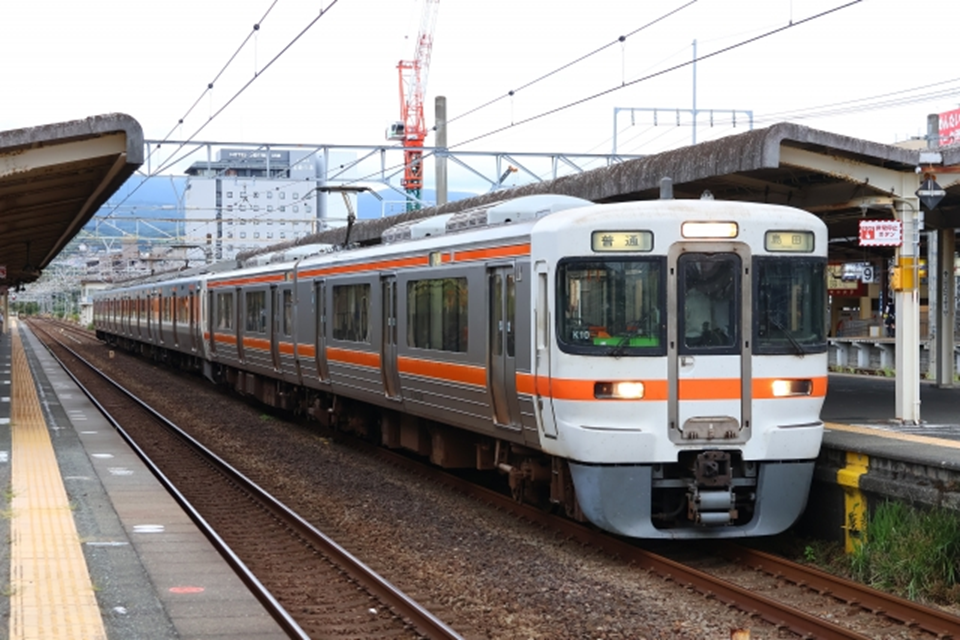
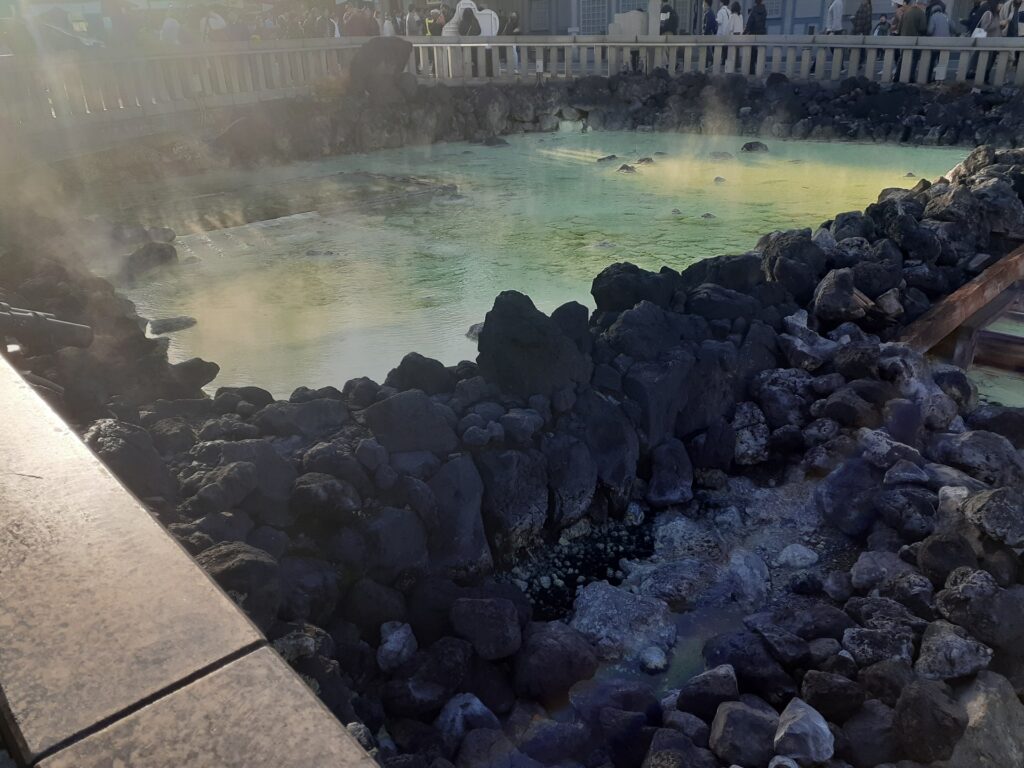
Mobile phones have become essential tools in modern life. They are especially useful when traveling.
When visiting an unfamiliar place, it can be difficult to manage without a device that allows you to access the internet, check public transportation, and even translate Japanese into your language.
However, smartphones become much less useful when there is no mobile phone signal or Wi-Fi connection.
Even so, we still want to enjoy outdoor activities and visit interesting places. Ideally, we would like to avoid communication problems while enjoying our trips.
In this article, we will look at what you should check about internet access before visiting different types of leisure facilities in Japan.
Character
Mike: A 12-year-old American boy who is interested in Japan.
John: Mike’s father. He sometimes travels to Japan on business.
Kelly: Mike’s mother. She is good at cooking.
Nobu: A Japanese exchange student.
Prologue
John has a colleague who recently moved to Japan. However, this colleague knows very little about the country and often asks John for advice whenever a problem arises.
This time, the topic is leisure activities. His colleague wants to visit various places in Japan but is concerned about whether his mobile phone will work there.
John is not very familiar with this subject either, so he is thinking about how to help. Just then, Nobu arrives.
Nobu: Hello!
John: Hi! Actually, I wanted to ask you something.
Nobu: What is it?
John: It’s about leisure facilities in Japan. A colleague of mine recently moved here and wants to enjoy various activities. However, he is worried about mobile phone reception. I was wondering what he should check before visiting different types of leisure facilities.
Nobu: I see. You want to know how to check mobile phone reception and internet access at leisure facilities. No problem!
Mike: But isn’t that difficult? You can’t possibly know the communication conditions at every facility in Japan.
Nobu: That’s true. Your colleague will have to check the actual facilities he plans to visit. All we need to do is explain what he should look for.
Mike: That makes sense.
What to Check at Different Types of Leisure Facilities
Nobu: Let’s go through some different types of leisure facilities and discuss what visitors should check in advance.
Mike: What kinds of places are you thinking of?
Nobu: Let’s look at campsites, ski resorts, beaches, and hot spring inns in mountainous areas.
Campsites
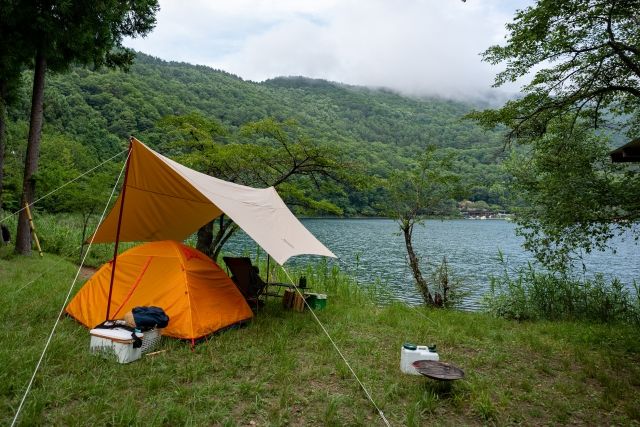
Nobu: First, let’s talk about campsites. When camping, you may want to check the weather forecast or look up information about outdoor cooking. Even if you don’t need help with cooking, having Wi-Fi access can be useful for checking the weather.
Mike: But can’t you check the weather forecast on the radio?
Nobu: Of course. However, smartphones can provide more detailed weather information for your exact location. For example, some weather apps can show you when rain is expected to arrive, sometimes even indicating that it may start raining in about ten minutes. A regular radio weather forecast cannot provide that kind of location-specific information.
Kelly: Then what should people check before choosing a campsite?
Nobu: First, they should check whether the campsite provides Wi-Fi.
There are different types of campsites in Japan. Some are well-equipped facilities with modern amenities, while others focus on providing a natural outdoor experience.
As a general tendency, well-equipped campsites are more likely to offer Wi-Fi. However, you should not necessarily expect Wi-Fi at campsites that emphasize a natural environment.
Kelly: What about mobile phone reception at campsites in natural areas?
Nobu: That’s another important point. Mobile phone signals may not reach some campsites, especially those in remote mountainous areas.
If neither mobile reception nor Wi-Fi is available, you may have difficulty checking sudden weather changes, looking up nearby shops, or contacting someone when you need help.
Kelly: I see. That could be inconvenient.
Nobu: Another factor is your camping experience. Experienced campers are generally better prepared to deal with unexpected situations, even when they cannot rely on their smartphones.
Kelly: So being able to adapt to outdoor conditions is important, too.
Ski Resorts
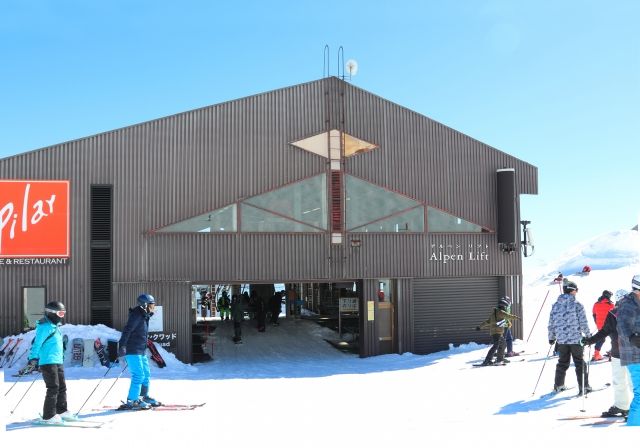
Nobu: Next, let’s talk about ski resorts.
Many ski resorts in Japan are located in mountainous areas. Because of the terrain, mobile phone signals may not reach every part of the resort.
In some cases, you may have reception near the base facilities but lose your signal when you move to another part of the ski slopes.
Kelly: I can imagine that happening.
Nobu: That’s why you should check the Wi-Fi environment at nearby hotels and lodges. It is a good idea to contact the accommodation directly and ask about its internet access.
Kelly: But don’t people need to check the weather before skiing, too?
Nobu: Absolutely. If severe weather is expected, you should follow the ski resort’s announcements and safety instructions. You should never force yourself to ski in dangerous conditions.
If the weather becomes bad, it may be safer to stay inside your hotel or lodge until conditions improve.
Kelly: So checking the communication environment at the accommodation is important, especially when you cannot rely on your phone while skiing.
Nobu: Exactly. If you lose your mobile signal on the slopes, you may not be able to check updated information or contact other people easily.
Beaches
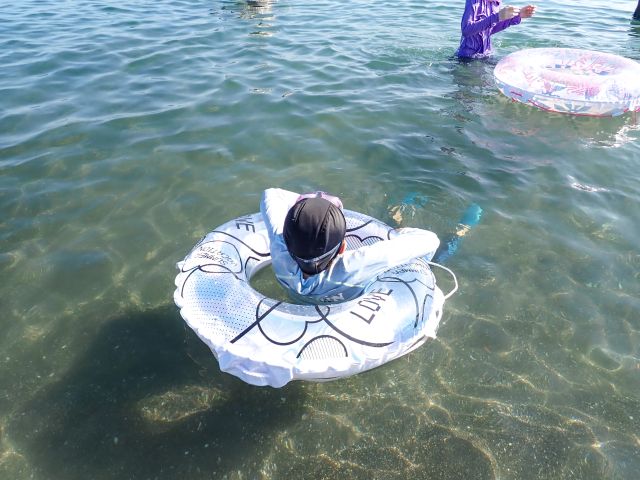
Nobu: Next, let’s look at beaches.
There are two possible sources of Wi-Fi access at Japanese beaches.
The first is Wi-Fi provided by the local municipality.
Some municipalities install public Wi-Fi access points at popular beaches. You can contact the local government office or check its website to find out whether this service is available.
Mike: That’s convenient if the local government provides it.
Nobu: Yes. However, many people may use the same connection, especially during busy summer holidays. Therefore, you should not expect high internet speeds.
For example, you might be able to browse simple websites, but watching videos or using other data-intensive services could be difficult.
Mike: I see. So public Wi-Fi may not always be reliable.
Nobu: The second possibility is Wi-Fi provided by a beachside facility, such as a umi-no-ie (海の家).
An umi-no-ie is a temporary beachside facility where visitors can buy food and drinks, rent beach equipment, and take a break.
Some of these facilities offer Wi-Fi. However, you may need to use their services to access it, and the connection may only be available during their business hours.
Mike: What about the internet speed?
Nobu: It depends on the individual facility. Even Wi-Fi provided by the same fast-food chain can have different connection speeds depending on the location. You won’t really know how well it works until you try it.
Kelly: So it is better to check whether Wi-Fi is available, but not assume that the connection will always be fast.
Hot Spring Inns in Mountainous Areas
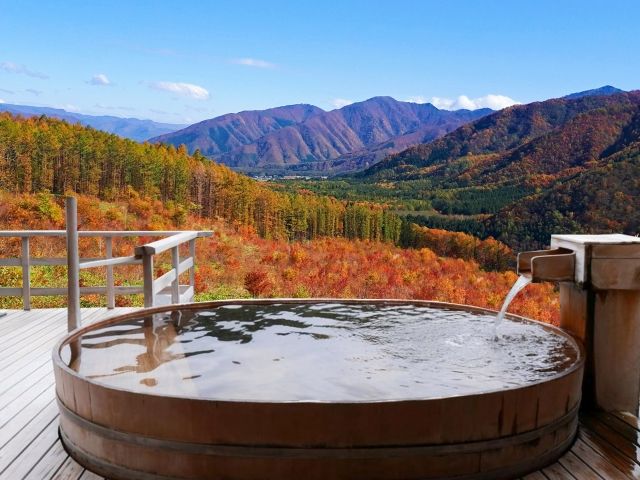
Nobu: Finally, let’s talk about Wi-Fi at hot spring inns in mountainous areas.
You can usually contact the inn directly to ask about its Wi-Fi environment.
Some Japanese hot spring inns also welcome business travelers and people who want to work remotely. In such cases, they may provide a good internet connection.
John: Wait a minute. Can you really work at a hot spring inn?
Nobu: If the Wi-Fi environment is good, you can do quite a lot of work there.
With a smartphone and laptop, you can write documents, communicate with people outside the inn, and even participate in online meetings.
If you need to print documents, you may be able to use a nearby convenience store.
John: That sounds wonderful!
Nobu: I think it would be great to start working after taking a morning bath in a hot spring. It must be a refreshing way to begin the day.
John: I’d love to try that if I ever get transferred to Japan!
The End
A Personal Experience
I have a little personal experience related to this topic.
It happened at a campsite in a mountainous area. The facility was located at the end of a winding mountain road, and I stayed in one of its accommodation buildings rather than sleeping in a tent.
As expected, my smartphone could not receive a mobile phone signal.
I couldn’t even check the weather forecast, so I spent an uneasy night wondering what the weather would be like the next day.
However, the following morning, I discovered that there was actually a Wi-Fi access point in one corner of the building.
I simply hadn’t noticed it because it was in an inconspicuous location.
If I had known about it beforehand, I wouldn’t have spent the night feeling so uneasy.
That experience taught me how useful it is to check the internet environment before visiting a remote leisure facility.
Conclusion
In this article, we have looked at how to check mobile phone reception and Wi-Fi availability at different types of leisure facilities in Japan.
As you have seen, you don’t necessarily have to leave everything to chance. By checking in advance, you can often find out whether a facility provides Wi-Fi or whether mobile phone reception is available.
This information can be useful when planning a trip to Japanese leisure facilities.
Outdoor activities require particular attention to safety. Having access to accurate and up-to-date information is an important part of staying safe.
Mobile phone reception and Wi-Fi can help you obtain that information when you need it.
Before heading out, take a little time to check the communication environment at your destination. That way, you can enjoy your leisure activities in Japan with greater peace of mind.