Many people are fascinated by the scenery of Japan. The changing landscapes of the four seasons can be truly captivating. When you travel to rural areas, you may come across visitors from overseas who have come to enjoy these beautiful views.
But did you know that some of Japan’s rural regions are home to places designated as UNESCO World Heritage Sites? And in some of these places, you can even stay overnight in traditional houses.
One example is Shirakawa-go.
Characters
Mike: A 12-year-old American boy who is interested in Japan.
John: Mike’s father. He sometimes travels to Japan on business.
Kelly: Mike’s mother. She is good at cooking.
Nobu: A Japanese exchange student.
Prologue
Mike is a 12-year-old American boy who is interested in Japanese culture. His father, John, is a busy businessman, but he likes Japan just as much as Mike does. However, despite his interest, John doesn’t know all that much about the country.
This story begins when John happens to discover an old town in Japan.
Japan’s Long History
John: “Hmm. Japan really is an old country.”
Mike: “What’s up, Dad?”
John: “Well, I was watching an old Japanese movie, and it turned out to be a historical drama set during the Sengoku period, when powerful warlords fought for control of Japan. I looked it up and found that this period was about 500 to 600 years ago. That’s much earlier than the founding of the United States, and even a few centuries before the French Revolution.”
Mike: “Wow! That’s a really long time ago!”
John: “And many things made around those times have survived. Japanese swords are a good example. Some remarkable swords were made 800 or 900 years ago. Of course, many weapons were lost during the wars of later periods.”
Mike: “I wonder what happened to the swords that disappeared.”
John: “I’m not entirely sure. But apparently, wounded samurai who lost their ability to fight could be attacked by local farmers. Historical dramas sometimes depict something called ‘ochimusha-gari,’ or the hunting of defeated warriors. People might take weapons from samurai who were too weak to defend themselves.”
Mike: “Whoa! That’s a pretty intense part of history.”
John: “It certainly is. When you think about it, Japan has a long history of warfare. Some of it must have been incredibly brutal.”
Houses That Have Survived for Centuries
Nobu: “Hello!”
John: “Hey, Nobu! Perfect timing. We were just talking about Japanese history.”
Nobu: “Oh, really? You’ve noticed something interesting.”
John: “Well, I’d heard that Japan has a long history. When I watch old Japanese dramas, I often see samurai fighting wars. I’ve also seen dramas about an important official traveling around the country. At the end, he reveals the emblem of his family, and everyone bows down to him.”
Mike: “I know about that stuff, too! Ninjas were active in the old days. I’ve heard of famous figures like Hattori Hanzo. They threw shuriken, those little throwing blades, right?”
Nobu: “Haha! You know quite a bit. It’s impressive that you’ve learned about these things from dramas.”
John: “And then there are the swords. I’m amazed that objects made so long ago have survived to this day.”
Nobu: “Actually, there are even more amazing things. For example, there are historic buildings in and around Kyoto. Five-story pagodas are particularly famous.”
John: “Oh, yes! Those are incredible. They must be very old.”
Nobu: “But there’s more to them than simply being old buildings.”
John: “What do you mean?”
Nobu: “As you know, Japan is an earthquake-prone country. These historic structures have stood through numerous earthquakes over the centuries.”
John: “That’s true. I remember hearing about a major earthquake in western Japan several decades ago. Some buildings survived without collapsing. It was surprising to hear that some older structures remained standing even when modern apartment buildings were damaged or collapsed.”
Mike: “That’s amazing! It’s hard to believe.”
A Trip Where You Can Stay in a World Heritage Village
Nobu: “By the way, I’ve brought some really interesting news today.”
John: “Interesting news? What is it?”
Nobu: “It’s about traveling in Japan.”
Mike: “Wow! A trip to Japan sounds amazing! Dad, you’re going to take me there, right?”
John: “It depends on my work schedule, but I’d love to go, too.”
Mike: “That would be awesome! We could eat authentic Japanese sushi, too, couldn’t we?”
John: “Of course. Tokyo brings together cultures and food from all over Japan. I’m sure we could find some excellent sushi restaurants there.”
Nobu: “Well, it’s true that Tokyo offers a taste of cultures from all over Japan. But if you’re going all that way, why not experience a slightly different side of the country?”
John: “What do you mean?”
Nobu: “How about visiting a village that preserves the atmosphere of Japan from more than a century ago?”
John: “A village from over 100 years ago? Do you mean Kyoto?”
Nobu: “Kyoto is certainly interesting, but the place I want to introduce is different. It’s a village that has been designated a UNESCO World Heritage Site, and it has a very different atmosphere from Kyoto.”
Mike: “Where is it? Is it really that amazing?”
Nobu: “It certainly is. It’s called Shirakawa-go.”
John and Mike: “Shirakawa-go???”
Nobu: “That’s right, Shirakawa-go. It’s a village recognized as a UNESCO World Heritage Site for its traditional architecture and cultural landscape.”
John: “Come on, Nobu. Stop joking around. There’s no way you can actually stay overnight in a World Heritage Site!”
Nobu: “I’m serious! Just look it up on your smartphone.”
John: “Oh, you’re right! I’ve seen pictures of this place before. It’s famous among people who love Japan, and apparently, many tourists visit it during their trips.”
Nobu: “So, John, how many people do you think actually stay overnight in Shirakawa-go?”
John: “I haven’t heard much about that. When I think of a UNESCO World Heritage Site, I imagine a place you visit and look around, not somewhere you actually use as accommodation.”
Nobu: “That’s probably what many people think. But as you can see from the websites, you really can stay there.”
John: “Hmmmm…”
Nobu: “If you get the chance, you should try it. Staying in a traditional Japanese house that has survived for generations, in a village recognized as a World Heritage Site, isn’t an everyday experience.”
Mike: “Yeah! Let’s go!”
The Romance of Traveling to Rural Japan
Nobu: “So, do you like the idea of staying overnight in a World Heritage village?”
John: “Absolutely! The idea of staying in a World Heritage Site sounds like a dream come true.”
Nobu: “Well, I suspect it won’t feel like staying in a regular hotel. But it’s a great way to experience the atmosphere of old Japan.”
John: “I can imagine that.”
Nobu: “But I have another suggestion for you.”
John: “What? Is there somewhere even better?”
Nobu: “Yes. You might be surprised.”
John: “What do you have in mind?”
Nobu: “When you think of Japanese seafood, you probably know about sashimi, right? But there are many other seafood dishes that you might not know much about.”
John: “Hmm. You’re right. I’m afraid I don’t know much beyond that.”
Nobu: “Then here’s my next suggestion: a trip to enjoy hamayaki!”
John: “Hamayaki? What’s that?”
Nobu: “It’s a style of seafood cooking in which ingredients, especially shellfish, are grilled over charcoal. It offers a special kind of deliciousness that’s quite different from sashimi.”
John: “Can’t we eat that in Shirakawa-go?”
Nobu: “Not really. Shirakawa-go is in the mountains, far from the sea, so fresh local seafood isn’t its main specialty.”
John: “Then where should we go?”
Nobu: “To a seaside town. Staying at a small family-run inn, known as a minshuku, could make the experience even more interesting.”
John: “I see. A seaside town.”
Nobu: “Exactly. I’m talking about the coast in a rural part of Japan. It might not be a World Heritage Site, but you’ll discover a side of Japan that you probably haven’t seen before.”
John: “That sounds interesting!”
Japanese Seafood
Kelly: “I’m curious about Japanese seafood dishes. Are there ingredients that we might never have heard of?”
Nobu: “Yes, I think so. Japan has some seafood products that are difficult to find elsewhere, including species that are harvested locally.”
Kelly: “That sounds exciting. But, to be honest, I’m a little nervous about trying ingredients we don’t recognize.”
Nobu: “I think that’s part of the adventure, too.”
Kelly: “You’re right. Trying something new is part of the fun!”
The End
Japan’s Transportation System
Were you surprised to learn that you can stay overnight in a traditional house in Shirakawa-go, a UNESCO World Heritage Site?
Staying in a house built more than a century ago would be interesting enough. But when you discover that the village itself is part of a World Heritage Site, the experience becomes even more exciting.
However, Shirakawa-go is in a rural area, so it’s important to understand a little about Japan’s transportation system before you go. You might think, “I’ll just take the Shinkansen!” But getting there isn’t always that simple.
Let’s take a look at some of the transportation options available in Japan.
Local Trains
Japan’s Shinkansen bullet trains are famous around the world. Some international visitors, including athletes who have visited Japan for the Olympics, have been amazed by them. I’ve even seen people on television compare the experience to flying on an airplane.
However, the Shinkansen network mainly connects major cities. It doesn’t reach every corner of the country.
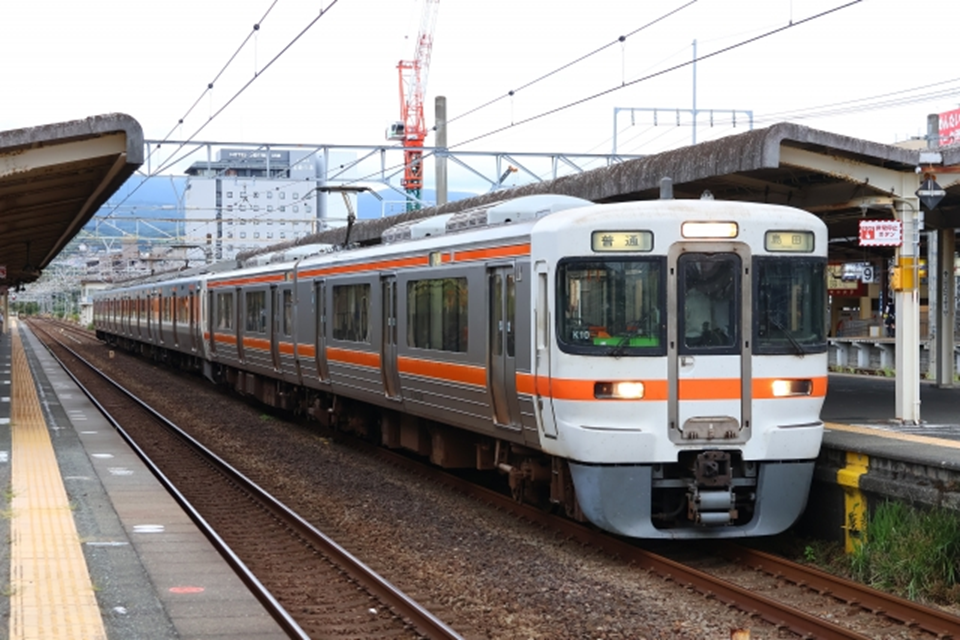
That’s where local trains come in. In rural areas, you’ll find plenty of train lines where services stop at every station.
As the train travels through the countryside, peaceful Japanese landscapes unfold outside the window. The train rocks gently along the tracks, making for a relaxed and leisurely journey.
The Shinkansen is certainly convenient, but traveling on a local train can be enjoyable in its own way.
Personally, I love taking a local train while eating an ekiben, a boxed meal sold at railway stations or on trains. Enjoying a delicious meal while watching the scenery pass by is a special experience.
I highly recommend trying it!
Buses
To travel from Tokyo to Shirakawa-go, one possible route is to take a train to Nagoya and then transfer to a highway bus. The bus journey takes around two and a half hours, so it’s a fairly long trip.
However, there is something you should keep in mind when using buses in Japan. Boarding procedures vary depending on the route and bus operator. Some services require advance reservations, while others may have different ticketing and boarding arrangements.
Fortunately, you can now look up routes and booking information on your smartphone. Make sure you check the details before you travel, including where to board and how to purchase your ticket.
When Is the Best Season to Visit?
One of Japan’s distinctive features is its four clearly defined seasons. The same region can look completely different depending on the time of year.
Shirakawa-go is no exception. The surrounding greenery is beautiful in summer, while winter brings cold weather and snowfall.
So, when should you visit Shirakawa-go?
A warm season might seem like the obvious choice for a comfortable trip. However, I’d actually like to recommend visiting in winter.
There are two reasons for this.
The first is the opportunity to experience Japan’s harsh winter conditions firsthand. It gives you a chance to experience what life in a snowy region is really like.
The second reason is the beauty of the snowy landscape.
As many people know, some parts of Japan receive enormous amounts of snow. In particularly snowy areas, the snow can accumulate to more than one meter deep.
Winter in these regions can be severe, but the snow isn’t just something to endure. It creates a kind of beauty that you won’t see in summer.
The traditional houses of Shirakawa-go look particularly striking against a snowy landscape. If you’re prepared for the cold, a winter visit can be an unforgettable experience.
What Should You Eat?
When people travel, most of them want to try delicious local food. Hamayaki, which I mentioned earlier, is one example of a dish that showcases Japan’s seafood culture. In some coastal regions, it is a local specialty that attracts many visitors.
Japanese Wagyu beef is another good example. It’s a premium product with fans in Europe and North America, too. If you visit the country where it’s produced, why not try it there? You might even find yourself remembering its flavor long after you’ve returned home.
However, there’s another side to Japanese regional cuisine.
Take the mountainous areas around Shirakawa-go, for example. Historically, these regions were not always blessed with abundant agricultural resources. There were times when poor harvests brought hardship and people struggled to find enough food.
I think remembering this history is part of the appeal of traveling, too.
So here’s another suggestion: why not try some simple, traditional local dishes?
They may not have the glamour of Wagyu beef, but they can offer a valuable opportunity to experience another side of Japanese history and everyday life.
Conclusion
This article has explored the idea of traveling back in time to experience old Japan. Perhaps you were surprised to discover that a place like Shirakawa-go, with its traditional houses, is also recognized as a UNESCO World Heritage Site.
I hope this has sparked your interest in visiting.
There are also regions near Shirakawa-go where you can enjoy delicious local cuisine. Some traditional accommodations even have an irori, a sunken hearth that was once used for cooking and heating.
Why not visit Japan and experience these traditions for yourself?
A trip to a place like Shirakawa-go might help you discover a side of Japan that you would never encounter on an ordinary sightseeing tour.