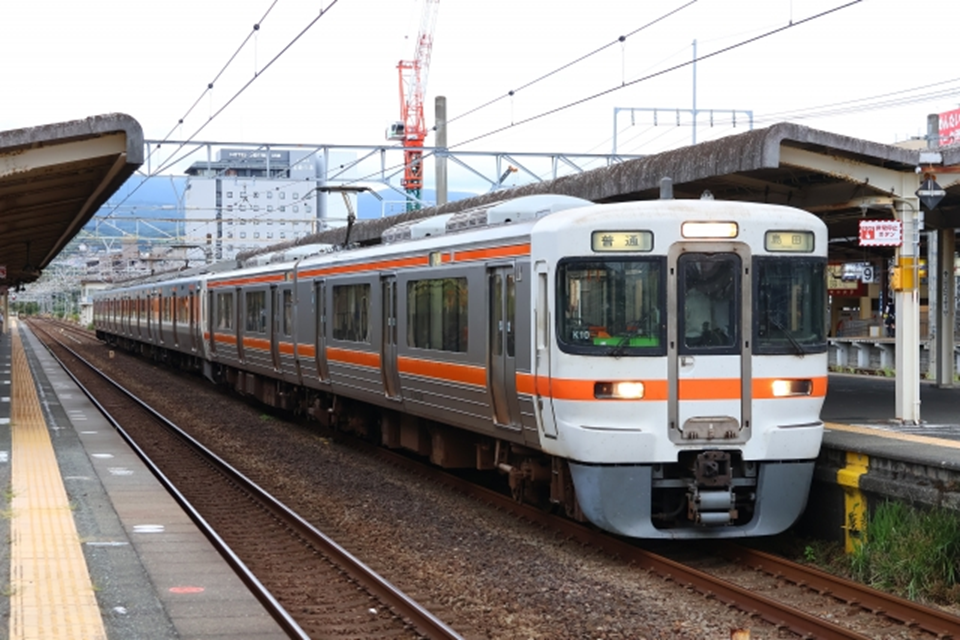
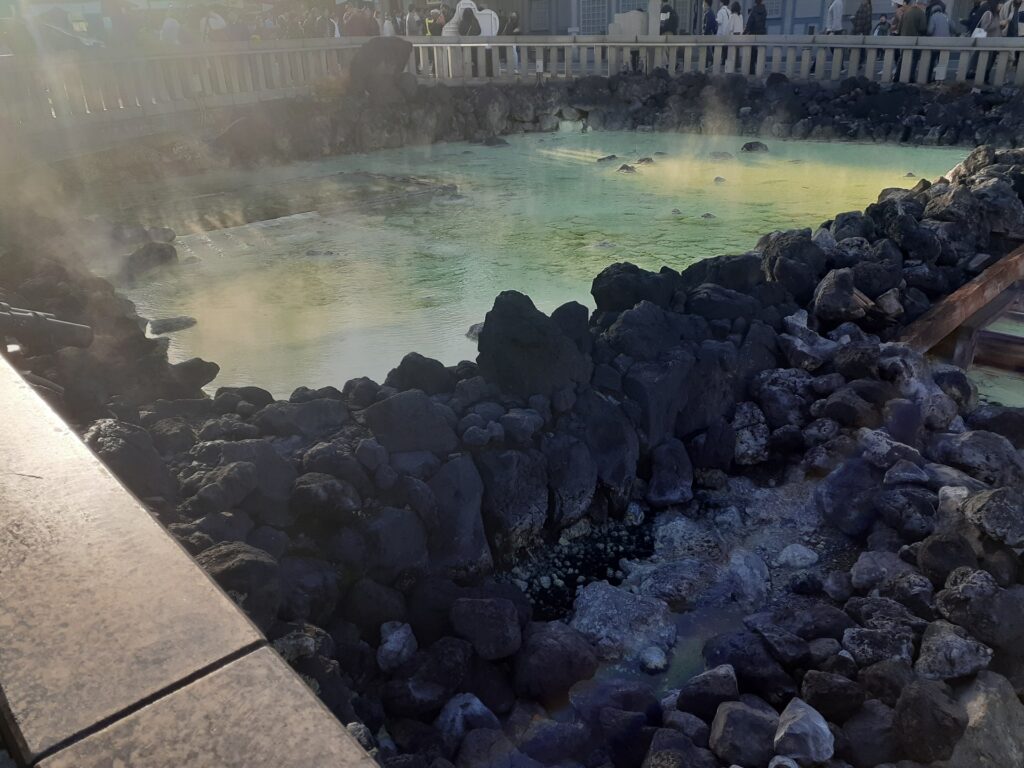
Japan has many places that attract visitors from around the world. There are numerous travel options, including hot spring resorts and historical sites.
However, if you look a little further, you may discover something different: places connected to important movements in world history.
In fact, it is possible to follow the artistic legacy of Émile Gallé, one of the leading artists of Art Nouveau, while traveling in Japan.
This may be a rather niche travel idea, but I think it could be interesting for art lovers. So, let me introduce it here.
Characters
Mike: A 12-year-old American boy who is interested in Japan.
John: Mike’s father. He sometimes travels to Japan on business.
Kelly: Mike’s mother. She is good at cooking.
Nobu: A Japanese exchange student.
Prologue
John is a businessman who has visited Japan many times. However, he does not know much about the country because his trips are for business rather than sightseeing. Most of the places he visits are office buildings.
Even so, his colleagues think he knows Japan well.
Recently, his company decided to organize a trip to Japan for some of its business partners. The guests are people who are particularly interested in Japan, so an ordinary sightseeing tour might not satisfy them.
John is struggling to come up with an interesting itinerary, so he decides to ask Nobu for advice.
There Are Places in Japan Connected to the History of World Art
Nobu: Hello!
John: Just the person I wanted to see. I have to plan a trip to Japan, but the people coming with us really love Japan. I don’t think ordinary tourist attractions will be enough for them.
Nobu: Do you mean historical buildings and famous landmarks won’t be enough?
John: Exactly. I suspect they have already visited many of those places. They probably want something different.
Mike: Americans who love Japan often visit Kyoto and other places, not just Tokyo. They also try cultural activities and special tours. But apparently, that kind of trip isn’t what these guests are looking for.
Nobu: Let me think… How about a trip to explore Japanese crafts?
John: Crafts? That might work. One of the guests enjoys the Japanese tea ceremony and knows quite a lot about tea utensils.
Nobu: Did you know that Japanese art and crafts had a major influence on artistic movements in the West?
John: Japan influenced the Western art world?
Kelly: That’s surprising!
Nobu: Yes. Japanese art was one of the influences on Japonisme, which also played a role in the development of Art Nouveau. We can plan a trip to explore some of these connections.
John: That’s a fresh idea.
Nobu: How about calling it a “Japan Tour Exploring Art Nouveau and Japonisme”?
John: I like it! Tell me a little more about the plan.
Kelly: That sounds wonderful.
Mike: I like the historical aspect, too.
Nobu: Great. Let me introduce some places we could visit.
A Japan Tour Exploring Art Nouveau and Japonisme
Nobu: The main idea is to follow the artistic legacy of Émile Gallé, an artist who played an important role in the Art Nouveau movement.
John: An artist who left his mark on art history. That sounds interesting for both history enthusiasts and art lovers.
Nobu: Here are three destinations to consider.
Émile Gallé Museum (Tochigi Prefecture)
Nobu: This museum displays a collection of works by Émile Gallé. Visitors can see representative works, including the vase known as “Tristesse.” The museum also has drawings and letters, which may offer a glimpse into Gallé’s life as well as his art.
The museum is located in Nasu, Tochigi Prefecture. It is possible to travel there from Tokyo by train, although you will also need to consider local transportation to reach the museum.
John: It’s good to know that we can travel there from Tokyo without going too far away.
Kitazawa Museum of Art (Nagano Prefecture)
Nobu: This is another museum where you can appreciate Gallé’s work. It is known for its collection of Art Nouveau glass art, including works by Gallé and other artists. The museum also exhibits modern Japanese paintings.
By looking at Gallé’s works alongside Japanese art, visitors can explore the relationship between his art and Japonisme.
The museum is in Suwa, an area known for its hot springs and Lake Suwa. You can combine art appreciation with beautiful scenery and a relaxing stay at a hot spring resort.
John: Hot springs and a beautiful lake? I’m sure our guests would enjoy that.
Kanazawa, Ishikawa Prefecture
Nobu: Kanazawa is a good place to explore traditional Japanese crafts, including Kutani ware, a type of Japanese porcelain known for its colorful designs.
Japanese art and ceramics were among the influences on Japonisme and the work of Western artists such as Gallé. Rather than assuming that one particular type of Japanese pottery directly shaped his style, we can look at Japanese crafts and Gallé’s works side by side and consider their similarities and differences.
Kutani ware is porcelain, which differs from many of the ceramic utensils commonly associated with the Japanese tea ceremony. Even someone who already knows about tea utensils may discover a different side of Japanese craftsmanship here.
John: A different kind of Japanese craft from tea utensils. That sounds interesting, too.
How Can You Travel Between These Places?
John: But how should we travel between these destinations? They seem to be quite far apart.
Nobu: Depending on the route, the Japan Rail Pass may be useful for some of the train journeys. However, it won’t necessarily cover every part of the trip, and you may need local buses, taxis, or other transportation to reach the museums.
John: So we may need to communicate with local drivers and transportation staff.
Nobu: That’s possible. A translation app on your smartphone could help, but it would be wise to plan the transportation in advance.
John: Wouldn’t that make the trip difficult to organize?
Nobu: Not necessarily. One option is to contact a travel agency and ask whether they can arrange a customized itinerary. Even if there isn’t an existing tour that covers all these places, they may be able to help organize a trip tailored to your needs.
John: I see. We could ask a travel agency to help us put the pieces together.
Nobu: Another option is to hire a professional guide who speaks your language and ask them to accompany you. However, you would need to discuss the itinerary, transportation, accommodation, and reservations in advance. A guide does not necessarily arrange all of these things.
John: So, we might need a travel agency to arrange the trip and a guide to accompany us.
Nobu: Exactly. The best approach would depend on your budget and how much help you need. It may take some planning, but I think it is worth exploring.
John: That makes sense. I’ll discuss the idea with the people in charge.
Nobu: I hope it works out!
The End
Conclusion
In this article, we have explored the idea of a trip focused on Art Nouveau and Japonisme. It may appeal to people interested in art history, as well as those who enjoy traditional Japanese crafts.
Japan is an island country with a distinctive culture. Traditional hairstyles such as the chonmage and clothing such as the kimono may look quite different from what people are familiar with in other parts of the world.
Yet Japanese culture has also influenced artistic movements beyond Japan. Exploring that connection through the works of Émile Gallé and Japanese crafts could offer a different perspective on both Japanese culture and Western art history.
What do you think about following Gallé’s artistic legacy in Japan? The itinerary and transportation arrangements would need to be checked carefully, but for art lovers, this could be an unusual and rewarding travel idea.