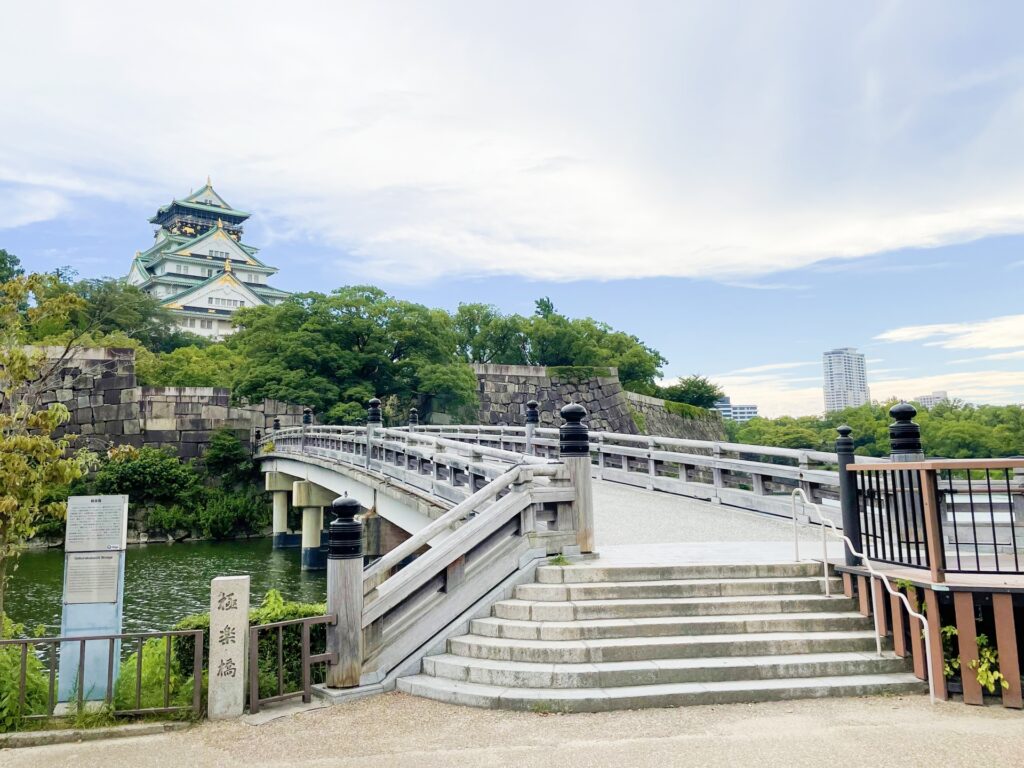
Hot springs are now well known around the world as part of Japanese culture. They are also a great way to relax and recover from the fatigue of everyday life.
But did you know that you can also work while staying at a Japanese hot spring resort?
In this article, we will introduce the kinds of work you can do there and the conditions you need to consider, using a story format.
Characters
Mike: A 12-year-old American boy who is interested in Japan.
John: Mike’s father. He sometimes travels to Japan on business.
Kelly: Mike’s mother. She is good at cooking.
Nobu: A Japanese exchange student.
Prologue
In recent years, remote work has become more common among office workers. The COVID-19 pandemic was one of the main reasons for this change. As companies encouraged employees to work remotely, many workplaces learned that a considerable amount of work could be done from home.
This also helped more people become familiar with the idea of working as a digital nomad. If you can work without going to an office, then, in theory, you may be able to work from almost anywhere.
So, how about working while staying at a hot spring resort in Japan?
What would you need to make this possible?
Many Office Workers Can Work While Staying at a Japanese Hot Spring Resort
Mike: “I’ve heard that convenience stores in Japan are incredibly useful. Is that really true?”
John: “Absolutely. They’re open 24 hours a day, carry a wide variety of products, and offer many different services. They’re really convenient.”
Nobu: “That’s right. It’s not an exaggeration to say that convenience stores can help you do all kinds of things.”
Kelly: “Are there any clever ways to use convenience stores that most people don’t know about?”
Nobu: “Well, they can even help you work from different places.”
John: “What kind of places, for example?”
Nobu: “There are several conditions, of course, but one thing I’d like to try is working while staying at a traditional hot spring retreat.”
John: “Hold on a minute. Doesn’t that mean staying at a hot spring for a long time? Say, two or three weeks?”
Nobu: “Yes, that’s right. Many kinds of jobs can be done during a stay of two or three weeks, provided that the work can be done remotely.”
John: “That’s surprising. Tell me what kinds of jobs are possible.”
What Kinds of Work Can You Do?
Nobu: “Let’s start by looking at the kinds of work you can do at a hot spring resort. There are many different jobs, but I think a large number of office workers could do their jobs there. Basically, I’m thinking of people who can complete most of their work using a laptop. Depending on the job, many administrative and office-based tasks should be possible.”
John: “What do you mean specifically?”
Nobu: “For example, data entry, calculations, and cost estimates may be possible if you can connect securely to your company’s systems. If your company manages its data in a centralized system, remote work may be easier. Communicating with coworkers is also relatively simple because you can attend online meetings using a laptop.”
John: “But what if you need to print documents?”
Nobu: “That may be possible at a convenience store. Many Japanese convenience stores have multifunction printers that support online printing. You can send a document from your room and print it at the store.”
John: “What about handling money?”
Nobu: “Convenience stores have ATMs, so you can withdraw cash and make certain bank transfers, depending on the ATM and your bank. Of course, that doesn’t mean you can handle every kind of business transaction there.”
John: “I see. If you can do most of your work on a laptop, this might actually work.”
What Do You Need to Work There?
John: “But surely you need some equipment. What would you need?”
Nobu: “I’d say a laptop, access to a convenience store, and a mobile Wi-Fi router would be useful.”
John: “Is that all? That’s surprising. Tell me how those three things help.”
A Laptop
Nobu: “First, the laptop. It’s the main tool for getting work done. If you can securely access your company’s systems, you can do many kinds of work. You can enter data, perform calculations, create documents, and attend online meetings. Modern laptops can handle all of these tasks.”
John: “That makes sense. You’d need a laptop with suitable specifications, but the basic idea is sound.”
Nobu: “Actually, there’s one more thing you can do with a laptop.”
John: “What’s that?”
Nobu: “I probably shouldn’t say this too loudly, but you can work without even getting out of bed. You can use a laptop while sitting under your futon.”
John: “That’s a dangerous temptation!”
Convenience Stores
Nobu: “The next thing is a convenience store. As I mentioned earlier, one useful feature is the multifunction printer. It’s not just an ordinary photocopier. Many machines also support online printing, so you can send a document from your room and print it at the store. Of course, if your company is already paperless, you might not need this service at all.”
John: “That’s true. But convenience stores offer more than printing, don’t they?”
Nobu: “Yes. Many also handle parcel deliveries, so you may be able to send documents or other items. And because they have ATMs, you can withdraw cash and carry out certain banking transactions. The available services and limits depend on the store, ATM, and financial institution.”
Kelly: “Japanese convenience stores really are useful!”
Mobile Wi-Fi
Nobu: “The third thing I’d recommend is a mobile Wi-Fi router. Some hot spring inns advertise free Wi-Fi, but the connection may not always be fast or stable enough for work. Having your own mobile connection can be useful.”
John: “So, a reliable internet connection is important.”
Nobu: “Exactly. However, you should check the mobile signal at your accommodation before relying on a mobile Wi-Fi router. Some hot spring resorts are in mountainous areas where reception can be weak. It’s also a good idea to check whether the accommodation’s Wi-Fi is suitable for video calls.”
John: “That makes sense.”
Nobu: “And there’s one more important point. If you’re working for a company, you need to follow its rules on remote work and information security. Some jobs require a secure connection or prohibit working in certain environments.”
Things to Enjoy While Staying at a Hot Spring Resort
Mike: “But there must be other things to enjoy while staying at a hot spring resort, right?”
Nobu: “Definitely. Many hot spring resorts are surrounded by nature, so you can enjoy things that are difficult to experience in a big city.”
Mike: “Tell me a little more!”
Enjoying a Morning Hot Spring Bath
Nobu: “One of the biggest attractions is being able to take a hot spring bath in the morning. Many people take a shower before starting work, but relatively few can enjoy a hot spring bath before opening their laptops. At a hot spring resort, you may be able to do just that.”
John: “Taking a quick bath during your lunch break might be nice, too.”
Nobu: “Yes. Depending on the facility’s opening hours and cleaning schedule, you may be able to take a bath during your lunch break. You could have lunch and then relax in the hot spring before returning to work.”
John: “That sounds very appealing.”
Taking a Walk Around the Hot Spring Town Is a Great Way to Refresh Yourself
Nobu: “Another attraction is the natural environment. Many hot spring resorts are located in areas with plenty of greenery. Taking a walk in the morning can be a pleasant way to start the day.”
John: “I can imagine that. Walking in the morning sunshine sounds good for both your body and mind. It’s a luxury that can be difficult to enjoy in a big city.”
In Some Areas, You Can Enjoy Activities Such as Stream Fishing
Nobu: “Depending on the location, there may be a river nearby. Some hot spring resorts are close to mountain streams, where you may be able to enjoy stream fishing.”
Mike: “Really? You can go fishing, too?”
Nobu: “Yes, in some places. If you’re staying at accommodation with cooking facilities, you might even be able to cook the fish you catch. Of course, you need to check local fishing rules, obtain any required permits, and make sure the accommodation allows you to prepare your catch.”
Kelly: “That sounds like fun!”
The End
Conclusion
During the COVID-19 pandemic, many Japanese companies expanded their remote-work arrangements. Employees often worked from home using laptops provided by their employers. This experience showed that many jobs could be performed remotely.
I also experienced a period of staying at home during the pandemic. I communicated with my company using a mobile device and received work instructions remotely.
As we’ve seen, working remotely while staying at a Japanese hot spring resort can be possible. If your job can be done online, you may even be able to work while sitting under your futon!
After all, if you can work from a fast-food restaurant or another location outside the office, you may also be able to work from a hot spring resort, provided that you have a suitable internet connection and an appropriate place to work.
However, you should check your company’s remote-work policy, the accommodation’s facilities, and the reliability of the internet connection before making plans. If you’re visiting Japan from overseas, you should also confirm that your immigration status and intended work arrangements allow you to work while in Japan.
So, what do you think?
If you’re visiting Japan on business and your employer allows you to work remotely, why not ask your supervisor whether you could spend part of your stay working from a hot spring resort?
You might discover a very different side of Japan while getting your work done.
Related Article
Did you know that Japan has a traditional practice called Toji, in which people stay at hot spring resorts for extended periods to relax, refresh their minds, and restore their physical well-being?
In this article, we will explore the Japanese tradition of Toji and its role in Japanese hot spring culture.
Read the article →