Japanese curry is an extremely popular dish in Japan. When you visit a supermarket, you will find various products, including curry roux and ready-made curry meals. Larger supermarkets may also carry a wide selection of individual spices.
There are also many restaurants specializing in curry, and it is not unusual to find curry on the menus of Chinese restaurants and soba noodle shops.
There are basically two ways to prepare curry. One is to make it by combining individual spices, while the other is to use commercially available curry roux.
In Japan, curry made with commercial curry roux is particularly common in home cooking. There must be several reasons why it has become so popular. Convenience and affordability are probably among the most important.
In this article, let’s compare these two methods from the perspectives of time, effort, and cost. Through this comparison, we may also get a glimpse of why Japanese people have embraced curry as part of their everyday meals.
Characters
Mike: A 12-year-old American boy who is interested in Japan.
John: Mike’s father. He sometimes travels to Japan on business.
Kelly: Mike’s mother. She is good at cooking.
Nobu: A Japanese exchange student.
Prologue
One day, Kelly was researching Japanese curry when she began to wonder about something.
What is the difference between curry made by combining individual spices and curry made with Japanese commercial curry roux?
Both are essentially made by combining various spices, and once prepared, they do not necessarily look very different.
Just then, Nobu arrived.
Nobu: Hello!
Kelly: Oh, you’re just the person I wanted to see. I’ve been wondering about something related to Japanese curry.
Nobu: What is it?
Kelly: Curry is traditionally made by combining spices, but in Japan, using commercial curry roux is the standard method for home cooking. Which one is better?
Nobu: I see. Then let’s take a look at both methods.
Kelly: Of course, taste is a matter of personal preference, so we can set that aside for now. For people who prepare meals for their families, time and effort are often important considerations. I’d like to focus on those aspects.
Nobu: All right. Let’s do that.
Making Curry by Combining Individual Spices

Nobu: First, let’s look at making curry by combining individual spices.
Getting the Ingredients
Nobu: The first step is obtaining the ingredients. Since curry uses many different spices, you need to visit a supermarket that carries a good selection.
Mike: That might be easy in a large city, but wouldn’t it be difficult in smaller towns where there aren’t many supermarkets?
Kelly: That’s true. You can probably find garlic and pepper at most supermarkets, but spices such as turmeric may not always be available.
Mike: You might have to order them online.
Kelly: Online shopping is an option, but paying extra for shipping isn’t very appealing.
Time and Effort Required
Nobu: Next, let’s consider the effort involved in making curry.
Kelly: Preparing curry can actually be more complicated than it looks. You might think it’s simply a matter of heating the ingredients and adding spices, but getting the right combination of spices can be difficult. Even a small change in the proportions can affect the final taste.
John: That’s right. It can take quite a bit of time and effort, too.
Kelly: On the other hand, some people actually enjoy spending time selecting and combining spices. For them, that’s part of the fun.
Cost
Nobu: Now, let’s consider the cost.
Kelly: Making curry from individual spices can involve a relatively high initial cost. The more types of spices you buy, the more money you need to spend. If you want to make a more elaborate curry using a wide variety of spices, the initial expense can increase.
John: Ordering spices online might make things easier, but some shops charge shipping fees for individual orders. You need to keep that in mind if you want to save money.
Nobu: Of course, once you have purchased the spices, you can use them several times. So the cost of each meal will depend on how much you use.
Other Considerations
Nobu: There is another point worth considering: consistency in taste.
Kelly: That’s true. If you prepare the spice mixture yourself, the proportions might vary each time. The result may not always taste exactly the same.
Nobu: However, making curry this way allows you to create deeper and more distinctive flavors. You can also adjust the spice combination to suit your personal preferences. That’s something you cannot achieve as easily with ready-made curry roux.
Making Curry with Commercial Curry Roux
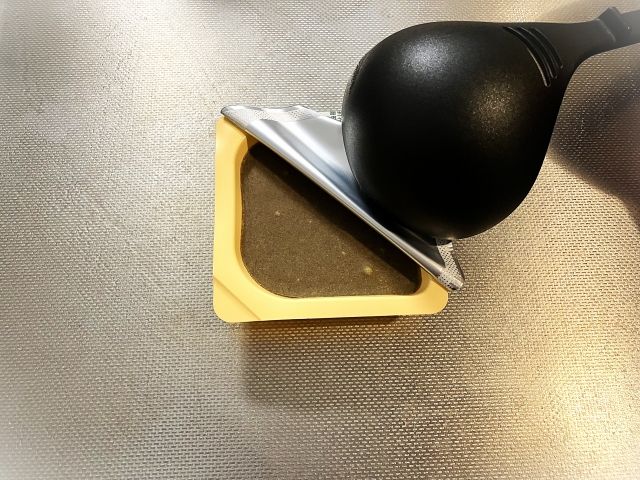
Nobu: Next, let’s look at making curry with commercial curry roux.
Getting the Ingredients
Nobu: Getting the main ingredient is very easy. All you need to do is buy a package of curry roux. Supermarkets offer many different varieties, so you can simply choose the one you like.
Japanese curry roux is not just a mixture of spices. It is generally made by combining spices with ingredients such as wheat flour, fats, oils, and seasonings, then forming the mixture into solid blocks.
This is one reason why it is so convenient to use. The roux already contains many of the ingredients needed to create a thick, flavorful curry sauce.
Time and Effort Required
Nobu: Cooking with curry roux is also relatively simple. You heat the ingredients, add water, and simmer everything together with the roux. That’s basically all there is to it.
Curry made with commercial roux is also commonly prepared during cooking classes at elementary schools and at children’s camping events. It’s easy enough for beginners to make.
Mike: By the way, how long does it take?
Nobu: If you’re fairly quick, you can make it in about 30 minutes.
Cost
Nobu: Curry made with commercial roux can also be economical. A package of curry roux can be purchased for around 200 yen or more, depending on the brand and product.
Kelly: So you can buy a package for around 200 yen. That sounds quite affordable.
Nobu: Also, ordinary households don’t necessarily use an entire package for one meal. Smaller households, especially those without children, may divide one package and use it over several meals. This can reduce the cost per meal.
Kelly: That makes sense.
Other Considerations
Mike: Is there anything else worth mentioning?
Nobu: One advantage is that it is relatively difficult to make mistakes. When you combine individual spices yourself, using the wrong proportions can ruin the flavor. Commercial curry roux, on the other hand, has consistent quality, making it easy to reproduce the familiar taste you expect.
Mike: I see. The same familiar taste every time.
Nobu: Exactly. However, that also means there is less room for changing the flavor. For example, you might sometimes want a curry that is a little hotter than usual. With commercial curry roux, your options for adjusting the taste are somewhat limited.
John: Why not just add some extra spices?
Kelly: If you’re not used to combining spices, you might not get the result you want. It’s not always that simple.
John: I see. So it can be difficult.
Which Method Is Best for Different People?
Nobu: So far, we’ve seen that making curry from individual spices requires more time and effort, but offers greater freedom to adjust the flavor. Commercial curry roux, on the other hand, is convenient and economical, but offers less flexibility when it comes to changing the taste.
Kelly: That still doesn’t tell us which one is better.
Nobu: That’s true. Instead, let’s consider which method is suitable for different people.
Curry Made with Individual Spices
Nobu: First, let’s consider curry made with individual spices.
This method is suitable for people who have enough time to prepare meals. You may need to visit several stores or order spices online, and preparing the ingredients takes some effort.
However, you can create a curry with your own original flavor. If you enjoy spending time cooking and want to make something special, this method is a good choice.
John: Having enough time really makes a difference.
Curry Made with Commercial Curry Roux
Nobu: Next, let’s consider curry made with commercial curry roux.
This method is suitable for people who want to save time and money. Curry roux is relatively inexpensive, and you can prepare a meal in about 30 minutes if you work efficiently.
Kelly: Not having to spend much time preparing the ingredients is certainly attractive.
Nobu: I think this is particularly beneficial for households with young children. Parents often need to keep an eye on their children, so preparing complicated meals can be difficult.
Kelly: That’s certainly true.
The End
Conclusion
We have compared curry made by combining individual spices with curry made using commercial curry roux.
We have also looked at which method might be suitable for different people. By now, you may have an idea of which approach would work better for your own lifestyle.
This comparison may also give us a glimpse into the everyday lives of Japanese people.
One reason commercial curry roux has become so popular in Japan is probably its convenience. Many people have busy lives, and being able to prepare a familiar meal without spending too much time or money is a significant advantage.
Of course, convenience is not the only reason. Its affordable price, consistent flavor, and ease of preparation have also helped make it a familiar ingredient in Japanese kitchens.
In any case, Japanese curry is delicious.
You can visit a curry restaurant and enjoy a dish made with carefully selected spices, or prepare curry at home using commercial curry roux.
Either way, we hope you enjoy Japanese curry!
Related Article
In the previous article, we compared Japanese curry made from scratch using spices with curry made using commercial roux.
By the way, Japan has a food culture that makes use of roux in other dishes as well.
In this article, we introduce Japanese curry roux and other dishes prepared using roux.
Read the article →

