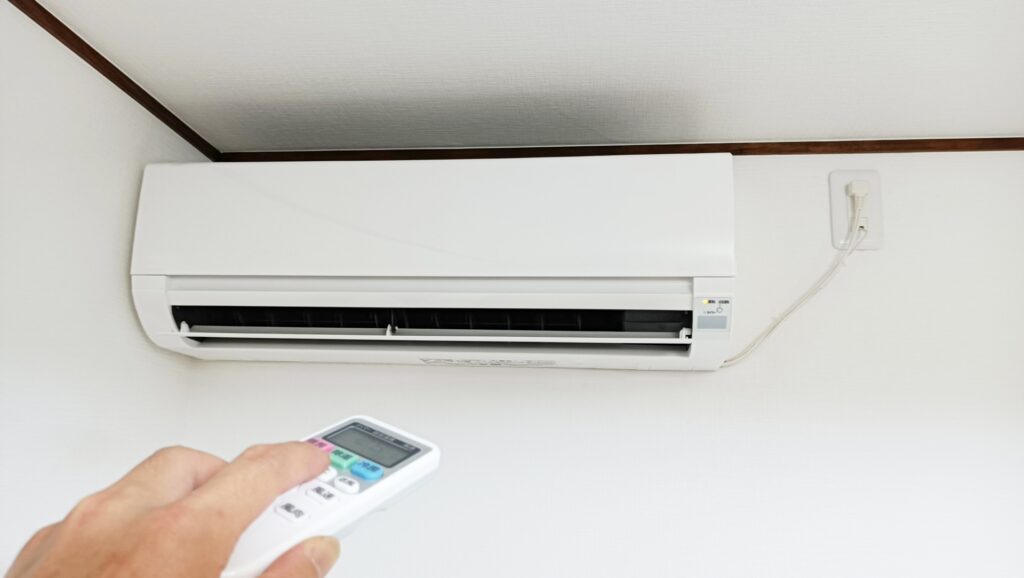
When people move to a new home for a job or to attend school, many need to buy household appliances. There is something satisfying about using new products, isn’t there? The same is true for people coming to Japan from overseas.
However, household appliances can be expensive. Naturally, most people would prefer to buy them at a lower price.
Fortunately, buying appliances cheaply is not impossible. By choosing the right time to shop, you may be able to reduce your expenses.
But there is one interesting question: Why are stores willing to sell appliances at lower prices?
In this article, we will explore the best times to buy household appliances in Japan and take a closer look at the reasons stores can offer discounts.
Characters
Mike: A 12-year-old American boy who is interested in Japan.
John: Mike’s father. He sometimes travels to Japan on business.
Kelly: Mike’s mother. She is good at cooking.
Nobu: A Japanese exchange student.
Taka: Nobu’s friend, also a Japanese exchange student, originally from the Kansai region of western Japan.
Prologue
This time, the main character is Taka, a friend of Nobu.
Because of his studies, Taka has to spend an extended period in Tokyo. Since he comes from the Kansai region, living in Tokyo presents a few challenges.
He has managed to find an apartment, but now he needs to buy household appliances for his new home.
Unfortunately, his budget is limited.
Just when he is wondering what to do, Nobu and John appear. After learning about Taka’s situation, they begin offering advice on how to buy appliances without spending too much money.
You Can Buy Household Appliances at Lower Prices
Taka: A washing machine, a refrigerator, and a TV…
Nobu: That’s quite a shopping list. Can you afford all of them? Buying so many appliances could cost a fortune.
Taka: Exactly. I was thinking of combining online shopping with other options to save money. But I don’t like buying things online without seeing them in person, so I decided to look at the big electronics stores instead.
Nobu: In that case, you’ll need to find a way to get a good deal at one of those stores.
Taka: That’s right. That’s what I’m struggling with.
Nobu: Leave it to me. There are limits, of course, but there are ways to save money at electronics retailers.
Taka: Please tell me how!
Nobu: Relax. Why don’t we visit John’s house? I think he has been interested in how appliance prices work.
When Do Household Appliances Become Cheaper?
Nobu: Hello!
John: Hey! I’ve been waiting for you.
Nobu: Were you waiting to hear about ways to buy appliances cheaply?
John: Of course!
Nobu: All right. Let’s start with the timing.
The Fiscal Year-End
Nobu: First, let’s talk about the fiscal year-end. Large electronics retailers may be eager to increase sales during this period, so they may be more willing to offer discounts. That’s one opportunity worth watching.
John: Yes, the fiscal year-end is definitely worth considering.
Nobu: There’s one thing to remember, though. Even if a discount is already shown on the price tag, it may still be worth politely asking whether the store can offer a better price. Depending on the product, store policy, and employee’s authority, an additional discount may be possible.
When a Product Model Is Replaced
Nobu: Another good time to look for deals is when a household appliance is about to be replaced by a newer model.
John: That makes sense. A store may prefer to sell its older stock rather than keep it after the new model arrives.
Nobu: Exactly. However, there’s something to watch out for. A store may discount the older model but be unwilling to negotiate much on the new one.
John: I see.
Nobu: Another useful clue is the timing of a new product catalog.
John: Why is that?
Nobu: A new catalog can provide information about an upcoming product launch. If you’re interested in a particular model, checking when the new catalog becomes available may help you understand whether a replacement model is on the way.
John: So the catalog can be a clue when deciding whether to buy now or wait?
Nobu: That’s right. However, a catalog’s publication date doesn’t necessarily mean the new product will go on sale immediately. It’s one piece of information to consider alongside announcements from the manufacturer and the retailer.
New Year’s Sales
Nobu: New Year’s sales are another opportunity. In Japan, these sales are often treated as a major shopping event, and some products may be available at attractive prices.
Kelly: But can stores really afford to offer such big discounts?
Nobu: Sometimes, yes. A New Year’s sale may attract customers who end up buying other products as well. Even if one item has a small profit margin, the overall shopping basket may still be profitable for the retailer.
Lucky Bags
Nobu: Lucky bags, known as fukubukuro in Japan, can also be a way to save money.
Taka: But the risk is that you don’t always know exactly what’s inside.
Nobu: That’s right. Depending on the contents and the buyer’s needs, a lucky bag can offer good value. But if you need a specific appliance, it may not be the best option.
Why Can Stores Offer Discounts?
Mike: But why is it okay for stores to sell products at lower prices? Don’t they lose money?
Nobu: That’s a good question. There are actually two different issues to consider: why stores can offer lower prices and why they may feel pressure to do so.
Why Stores Can Offer Lower Prices
Nobu: “First, let’s list the reasons why electronics retailers can offer low prices.”
Manufacturers or Wholesalers Lower Their Prices
Nobu: First, a manufacturer or wholesaler may reduce its selling price after cutting its own costs.
For example, imagine that a retailer can buy a product for ¥2,000. If the wholesale price falls to ¥1,500, the retailer has an extra ¥500 of room to work with.
The retailer could use some of that difference to offer customers a lower price, although the final decision depends on its own costs and pricing strategy.
Mike: I see!
Discounts as Part of a Sales Strategy
Nobu: Discounts can also be part of a sales strategy.
For example, a store might offer a discount on one product to encourage customers to buy other items at the same time. Even if the discounted product earns less profit, the total sale may still be worthwhile.
John: So the strategy can still contribute to the business’s overall performance.
Nobu: Exactly.
Making the Distribution Process More Efficient
Nobu: Another possibility is improving the distribution process.
Mike: What does that mean?
Nobu: Think about the companies involved between a manufacturer and a retail store. In some cases, a retailer may buy products more directly from the manufacturer, or the companies involved may negotiate better terms.
Reducing unnecessary steps or improving logistics can sometimes lower costs.
Mike: That makes sense.
Nobu: However, intermediaries such as trading companies and wholesalers can also provide valuable services, including transportation, inventory management, and coordination. Removing an intermediary doesn’t automatically make the entire process cheaper.
Why Stores May Feel Pressure to Sell at Lower Prices
Nobu: Now let’s look at the other side. Sometimes a store has a reason to sell products quickly, even if that means accepting a smaller profit margin.
Taka: I see.
The Fiscal Year-End
Nobu: First, there’s the fiscal year-end.
It’s a period when retailers may want to increase sales because their results for the financial year are approaching a deadline. Depending on the company’s targets and current performance, this can create an incentive to offer discounts.
Taka: So the company’s financial results can influence the price.
Nobu: Yes, although the effect varies from one retailer to another.
Avoiding Excess Inventory
Nobu: Another reason is the need to avoid excess inventory.
This can happen when a new model replaces an older one. A retailer may want to sell the remaining stock before the new product arrives or before customers lose interest in the older model.
Taka: That makes sense. It can become harder to sell an older model once a newer one is available.
Nobu: Exactly. That’s one reason older models may sometimes be available at attractive prices.
Meeting Sales Targets
Nobu: Sales targets can also play a role.
Retailers often create sales plans at the beginning of a financial period. In some companies, performance against those targets may affect the evaluation of a store, department, or individual employee.
If sales are falling short of a target, the sales team may have a stronger incentive to close deals.
Taka: So timing your purchase might help you find someone who is willing to negotiate.
Nobu: It might. But remember that employees don’t always have the authority to change prices, and not every store uses the same incentive system.
Manufacturers Also Play a Role in Lower Prices
Kelly: We’ve heard a lot about the retailers’ side of things. Are there other factors that can make appliances less expensive?
Nobu: Absolutely.
Manufacturers also operate in a competitive market. They need to compete with other companies, so they may try to improve product performance and quality while also controlling prices.
One important concept here is value for money: offering useful performance and features at a competitive price.
Kelly: That makes sense.
Why Do Manufacturers Try to Reduce Costs?
Kelly: But why do manufacturers work so hard to reduce costs? What are the specific reasons?
Increasing Sales Volume
Nobu: One reason is to increase sales volume.
If a manufacturer can lower production costs, it may be able to offer a more competitive price. A lower price may attract more customers and increase the number of products sold.
Sometimes the profit earned on each unit becomes smaller, but selling more units may help compensate for that reduction.
Kelly: I see.
Nobu: Of course, this only works if the additional sales and the resulting costs make the business more profitable overall.
Improving Profit Margins
Nobu: On the other hand, manufacturers may also want to improve their profit margins.
Kelly: Isn’t that the opposite of selling lots of products at low prices?
Nobu: Not necessarily.
When production volumes increase, a manufacturer may be able to negotiate better prices for materials and components. Buying larger quantities can sometimes reduce the cost per unit.
If the manufacturer can lower costs without having to reduce the selling price by the same amount, its profit margin may improve.
Kelly: So higher production volumes can sometimes help a manufacturer reduce costs and increase profits at the same time.
Nobu: Exactly, although the result depends on demand, production efficiency, and purchasing conditions.
Expanding Distribution Channels
Nobu: Another goal is to expand distribution channels.
Kelly: What do you mean by that?
Nobu: Wholesalers and trading companies generally want to buy products on favorable terms. If a manufacturer offers products with attractive performance and competitive prices, those products may become more appealing to potential business partners.
If one company has a good experience selling them, other companies may also become interested.
In this way, competitive pricing can sometimes help a manufacturer expand its distribution network.
Cost Reduction Across the Entire Company
Mike: Are there other ways manufacturers can reduce costs?
Nobu: Yes. Cost reduction can be included as a goal in a product development project, and several departments may contribute to it.
Mike: Tell me more!
The Product Development Department
Nobu: Let’s start with the product development department. This is where engineers and planners consider a product’s performance, specifications, and design.
Cost reduction can begin at this stage.
Mike: For example?
Nobu: Engineers might review the number of components used in a product or reconsider the materials and structure.
In some cases, a product may have features or specifications beyond what most customers actually need. If the design can be simplified without compromising essential performance, the manufacturer may be able to reduce costs.
However, changing specifications requires careful evaluation. A cheaper design isn’t automatically an equally good design.
The Purchasing Department
Mike: What about other departments?
Nobu: Next is the purchasing department. Its job is to obtain the materials and components needed for production.
Purchasing staff look for suppliers that can provide suitable quality at competitive prices. Depending on the product, they may consider suppliers from different countries.
Mike: So the idea is to reduce material costs and potentially make the final product more affordable.
Nobu: Exactly. The key is to consider quality, reliability, delivery times, and other conditions, not just the purchase price.
The Manufacturing Department
Nobu: The manufacturing department can also contribute to cost reduction by improving production efficiency.
Mike: I’m not sure I can picture that.
Nobu: Imagine replacing an inefficient production machine with a more energy-efficient model.
Manufacturing involves processes such as machining, processing, and assembly. These processes use energy, and the equipment itself requires maintenance.
If a factory can reduce energy consumption, waste, or production time while maintaining the required quality, the cost of making each product may fall.
Mike: So improvements inside the factory can affect the price of the product, too.
Nobu: That’s right.
The Sales Department
Nobu: The sales department can also contribute to cost reduction and profitability.
For example, a retailer might purchase several products together as part of a package deal. A manufacturer may also sell multiple products to the same business customer in a single transaction.
Depending on the arrangement, selling several products together may reduce some sales and distribution costs or make it easier to secure a larger order.
Mike: So cost savings can come from the way products are sold, not just from how they’re made.
Nobu: Exactly. However, selling several products together doesn’t automatically reduce manufacturing costs. The actual savings depend on the arrangement.
Does Cost Reduction Lead to Lower Quality?
Taka: But doesn’t reducing costs sometimes lead to lower quality? That’s what worries me.
Cases Where Quality May Decline
Nobu: Yes, it can happen.
For example, using a less expensive material may reduce durability or change the product’s performance. Simplifying a design without sufficient testing can also create problems.
Taka: That would be a serious concern.
Nobu: It certainly would.
Some manufacturers invest in after-sales service, warranties, and repair systems to help customers when problems occur. These services can be valuable, but they are not a substitute for proper product quality and safety.
The important point is that cost reduction needs to be managed carefully. A lower price alone doesn’t tell you whether a product is good or bad.
Quality Can Improve Even When Costs Fall
Nobu: However, reducing costs doesn’t always mean reducing quality. In some cases, quality can actually improve.
Taka: How does that work?
Nobu: New materials and manufacturing technologies can change what’s possible.
For example, a new material might be stronger, more durable, and less expensive than an older material. If it performs well in the intended application, a manufacturer may be able to improve product performance while reducing costs.
Improvements in manufacturing processes can also reduce defects and waste, potentially lowering costs while maintaining or improving quality.
Taka: I see. There are more factors involved than I realized.
All right, I’ll start by checking advertisements from electronics retailers and then see whether I can negotiate a better price.
Nobu: Sounds like a good plan.
The End
Conclusion
As we’ve seen, many different people and departments can influence the price of household appliances.
Retailers may want to increase sales or clear older inventory. Manufacturers may work to reduce production costs, improve efficiency, and remain competitive. Wholesalers and other businesses involved in distribution may also influence the final price.
Behind a discount, there may be several business decisions working together.
Understanding these factors can help you make a more informed purchasing decision.
If you’re planning to buy household appliances in Japan, consider checking seasonal sales, comparing older and newer models, and looking at the timing of product launches.
You can also ask store staff politely whether a better price is available. Discounts are never guaranteed, but choosing the right time and comparing your options may help you get better value for your money.
Related Article
In this article, we discussed the best time to buy home appliances in Japan.
Some of you may have become interested in the end-of-fiscal-year sales mentioned in the article.
In the next article, we will take a closer look at end-of-fiscal-year sales in general. The information should also be useful when shopping for items other than home appliances.
Read the article →