There are many differences between Japan and other countries, and visitors often experience various culture shocks. Food is probably one of the biggest differences, but everyday life can also be quite different. These differences may be especially noticeable for people planning to live in Japan, including international students.
Today, I would like to talk about Japanese supermarkets. From what I have heard, supermarkets in Japan can be surprisingly different from those in other countries, and these differences can sometimes confuse foreign visitors.
In this article, I will introduce some of the features of Japanese supermarkets, focusing on what you can buy and how to shop wisely.
Characters
Mike: A 12-year-old American boy who is interested in Japan.
John: Mike’s father. He sometimes travels to Japan on business.
Kelly: Mike’s mother. She is good at cooking.
Nobu: A Japanese exchange student.
Prologue
Kelly is a housewife who struggles with grocery shopping every day. To make matters worse, her local supermarket sells many products in large packages, making shopping physically exhausting.
One day, she gets a chance to hear about Japanese supermarkets. Naturally, she becomes very curious.
What Can You Buy at Japanese Supermarkets?
Kelly: “Whew, I’m exhausted. Grocery shopping takes quite a bit of energy. I always end up buying more than I planned, and then my bags get so heavy.”
Nobu: “Hello!”
Kelly: “Oh, hi! Listen, I went grocery shopping, but the bags were so heavy that I’m worn out.”
Nobu: “Well, you certainly deserve a rest. Supermarkets sell a lot of large packages, don’t they? Carrying everything home takes some effort.”
Kelly: “By the way, what are Japanese supermarkets like? I’ve been curious about them for a while.”
Nobu: “Well, Japanese supermarkets sell food and everyday necessities, just like supermarkets in other countries. However, there may be some differences from what you are used to in the US or Europe. Let me introduce you to a few features of Japanese supermarkets.”
Kelly: “Sounds good. I’m especially interested in food. Tell me what’s different from the supermarkets here.”
Nobu: “All right!”
Boxed Meals
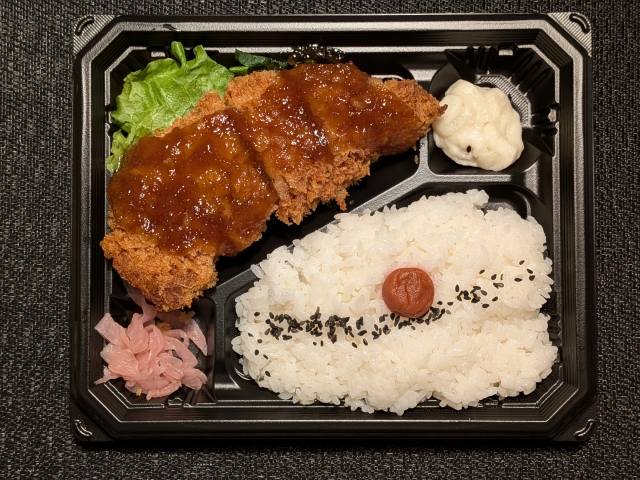
Nobu: “One thing worth mentioning is that Japanese supermarkets sell ready-to-eat boxed meals, known as bento. The selection varies from store to store, but they are convenient and easy to buy. Many supermarkets now open in the morning, so people often pick up a bento on their way to work or school.”
Kelly: “I see. Bento! That sounds very Japanese. What kinds of meals do they sell?”
Nobu: “Quite a variety. You can find meals with rice and side dishes, as well as pasta dishes and sushi.”
Kelly: “They even sell sushi?”
Nobu: “Yes, they do. And it’s generally cheaper than eating at a sushi restaurant. If you want to enjoy sushi on a budget, a supermarket is probably one of the best places to look.”
Kelly: “That’s surprising!”
Nobu: “You can buy nigiri sushi, of course, but there are also less expensive options, such as sushi rolls wrapped in seaweed and inari sushi, which consists of rice stuffed into sweet, seasoned tofu pockets.”
Kelly: “I see. By the way, who buys bento in the morning?”
Nobu: “Office workers and students, for example. They are especially useful for people who are busy in the morning. Commuting in Japan can also be a challenge. It’s not unusual for office workers in the Tokyo metropolitan area to spend an hour commuting one way.”
Kelly: “Now I understand a little better why people need boxed meals.”
Prepared Side Dishes
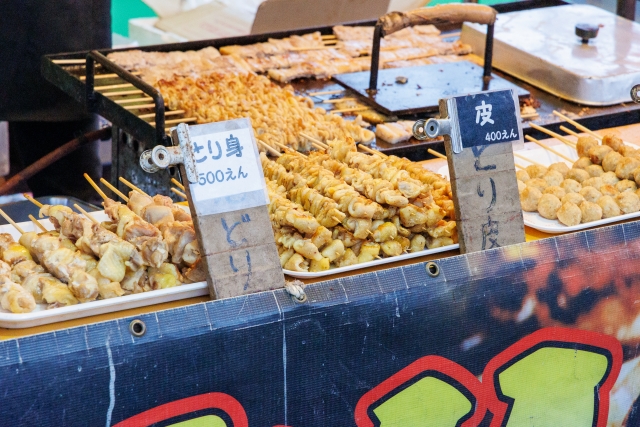
Nobu: “Another feature is the wide selection of prepared side dishes. You can find fried foods, including tonkatsu, which is a breaded and deep-fried pork cutlet, as well as salads and many other dishes.”
Kelly: “Wow, that’s convenient!”
Nobu: “It certainly is. I used to cook rice at home and often ended up with leftovers, which I put in the refrigerator. When that happened, I would sometimes buy prepared side dishes at the supermarket to go with the rice.”
Kelly: “That makes sense. They’re also useful when you want just one more dish for dinner.”
Nobu: “Exactly. You can often buy individual portions instead of having to purchase a large package.”
Fresh Fish and Seafood
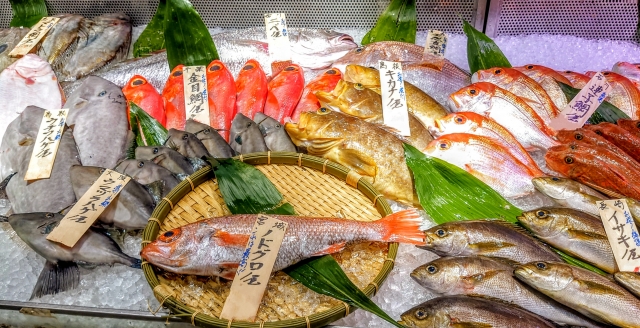
Nobu: “Another characteristic of Japanese supermarkets is the variety of fish they sell. You’ll often find fish already cut into fillets, as well as fish prepared specifically for making sashimi.”
Kelly: “That’s convenient. You can just buy it and serve it as sashimi at home.”
Nobu: “That’s right. Supermarkets also sell seafood such as octopus and squid.”
Kelly: “I’m surprised they have so much octopus. How do people usually eat it?”
Nobu: “Sometimes they eat it as sashimi. Another popular option is takoyaki, which are small, round balls of batter cooked with pieces of octopus inside.”
Kelly: “It’s amazing that you can even make takoyaki at home!”
Seasonal Foods
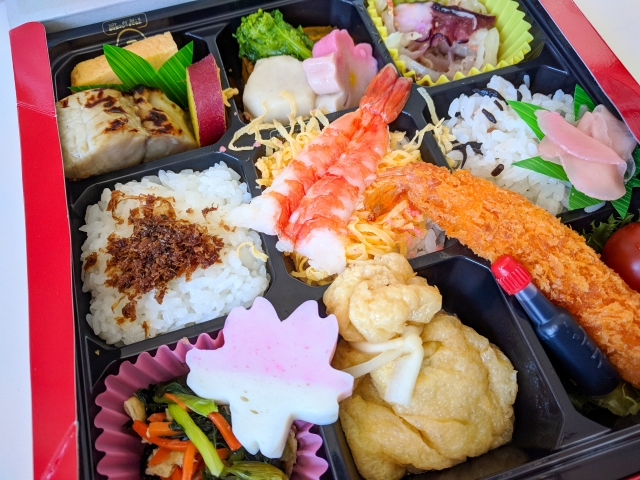
Nobu: “Supermarkets also sell foods suited to different seasons and special occasions.”
Kelly: “What do you mean by seasonal foods?”
Nobu: “For example, during the spring cherry blossom season, some supermarkets sell assorted platters that are convenient to bring to a hanami picnic. Around Christmas, some stores also sell special items such as roast chicken.”
Kelly: “I’m surprised that supermarkets even plan for events like those.”
Sweets and Desserts
Nobu: “They also sell plenty of sweets.”
Mike: “Sweets are a must!”
Nobu: “Things like chocolate, cookies, and biscuits. You can also find cakes. Supermarkets usually don’t offer as many varieties as specialized cake shops, but they’re a good option when you just feel like having a little dessert.”
Kelly: “It’s nice that they sell cakes, too.”
Beverages
Nobu: “There is also a wide selection of drinks. You can find almost everything from mineral water to juice. They come in different sizes, too, from small cans and bottles to large two-liter bottles.”
John: “With that much variety, what more could you ask for?”
How to Save Money at Japanese Supermarkets
Nobu: “When introducing Japanese supermarkets, I think it’s important to explain how you can get good deals.”
Kelly: “What do you mean? How can you get good deals?”
Nobu: “There are various discounts and other ways to save money.”
Kelly: “That sounds appealing. Tell me more!”
Nobu: “Of course.”
Limited-Time Discounts
Nobu: “The first thing I’d like to mention is the limited-time sale.”
Kelly: “A limited-time sale?”
Nobu: “Yes. A store offers discounts for a specific period. For example, it might advertise that products in a certain section are 20% off for the next 30 minutes.”
Kelly: “That sounds great!”
Discounts Before Closing Time
Nobu: “Another good time to shop is shortly before closing.”
Kelly: “What happens then?”
Nobu: “Many supermarkets start reducing the prices of food that hasn’t sold. Fresh fish and seafood can be especially good deals. It’s not unusual to find sashimi marked down to half price.”
Kelly: “Half price? That’s amazing!”
Make Use of Loyalty Points and Apps
Nobu: “You should also learn about supermarket loyalty points.”
Kelly: “You mean points you can use at the store?”
Nobu: “That’s right. Some Japanese supermarkets even change their point rewards depending on the day of the week. For example, they might offer double points on Wednesdays.”
Kelly: “Double points? So it’s a little like getting a bigger discount.”
Nobu: “Exactly. Points can effectively reduce your shopping costs, so you could say that the benefits you get vary depending on the day.”
Kelly: “Do they have smartphone apps, too?”
Nobu: “Of course. They can be useful because they often provide information about products and special offers.”
Prices Vary from One Supermarket to Another
John: “The more I hear about them, the more interesting Japanese supermarkets seem.”
Nobu: “I think so, too. Some of their services are quite distinctive.”
John: “By the way, I hear Japan has upscale residential neighborhoods. Do they have supermarkets in those areas, too?”
Nobu: “Yes, they do. However, prices can be relatively high at some of those stores.”
John: “You mean the prices themselves are higher?”
Nobu: “That’s right. They may charge more than ordinary supermarkets, but they often focus on premium products and higher-quality ingredients.”
John: “What about the other end of the market? Are there discount supermarkets, too?”
Nobu: “Absolutely. You might not find as many luxury products there, but you can buy everyday items at reasonable prices.”
Electronic Payments Can Sometimes Be Inconvenient
John: “I’ve heard that Japan has lots of electronic payment systems. Doesn’t that cause confusion?”
Nobu: “It may not be something people talk about very often, but it can certainly cause confusion. The problem is that not every store accepts every electronic payment service.”
John: “That sounds inconvenient.”
Nobu: “Another issue is that some payment systems can take time to learn. Younger people may get used to them quickly, but I’ve seen older people struggle with them. For example, they sometimes stare at their smartphone screens with puzzled expressions, trying to figure out what to do.”
John: “I see. So there are some disadvantages, too.”
Some Items Cost Less Than 100 Yen Shops
Mike: “Hey, Japan has those 100-yen shops, right? Which is better, a supermarket or a 100-yen shop?”
Nobu: “That’s actually a harder question than you might think.”
Mike: “Why? I thought 100-yen shops were cheaper.”
Nobu: “Well, one limitation is that the standard price at a 100-yen shop starts at 100 yen before tax. At a supermarket, you can find products that cost less than 100 yen, such as items priced at 80 or 90 yen. When you look at it that way, a supermarket can sometimes be the better choice. And don’t forget the loyalty points, either.”
Mike: “So it’s not that simple, huh?”
Nobu: “That’s right. Even shopping can be surprisingly complicated!”
The End
Conclusion
In this article, we have explored Japanese supermarkets. Some readers may be impressed by the convenience of being able to buy boxed meals and prepared side dishes, while others may find Japan’s various electronic payment systems frustrating. You may also be surprised to learn that some products can cost less at a supermarket than at a 100-yen shop.
In any case, supermarkets are useful places to buy everything from food to everyday necessities. To get the most out of them, it’s worth learning not only what they sell but also how to shop economically.
Keep in mind that loyalty point programs and special offers vary from one supermarket to another. If you want to make the most of your shopping budget, it pays to learn how your local supermarket works.
Related Article
In this article, we looked at the products commonly found in Japanese supermarkets and some smart ways to make use of them. However, I imagine that many readers are also interested in Japan’s 100-yen shops.
In the next article, we will take a closer look at these 100-yen shops. I hope you find it useful.
Read the article →
Some supermarkets in Japan specialize in selling meat.
In the next article, we will introduce these meat-focused supermarkets and explain what makes them unique.
Read the article →